
From Little Things Flower Shop




A regional small business SEO case study
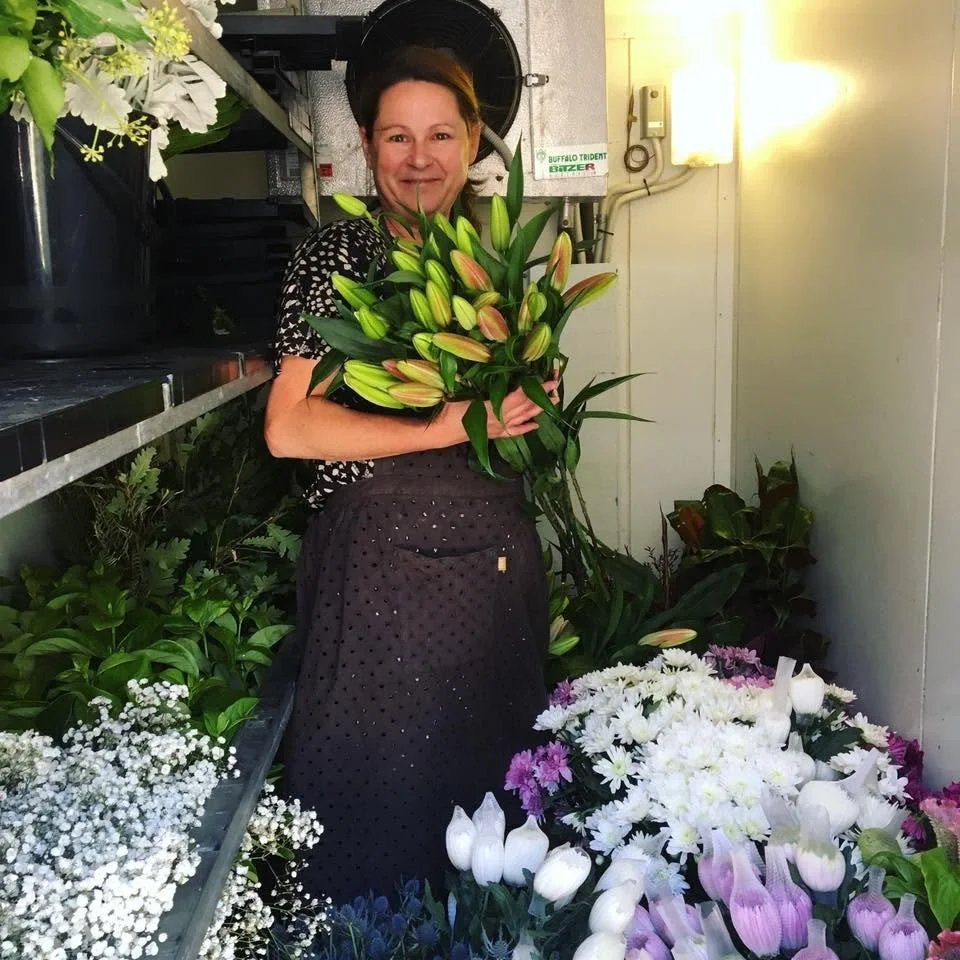
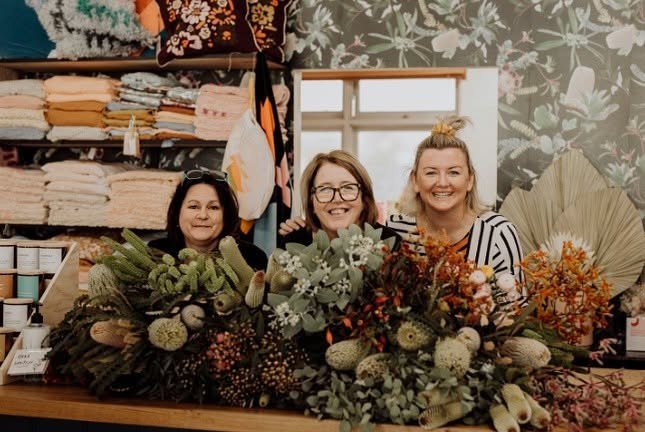
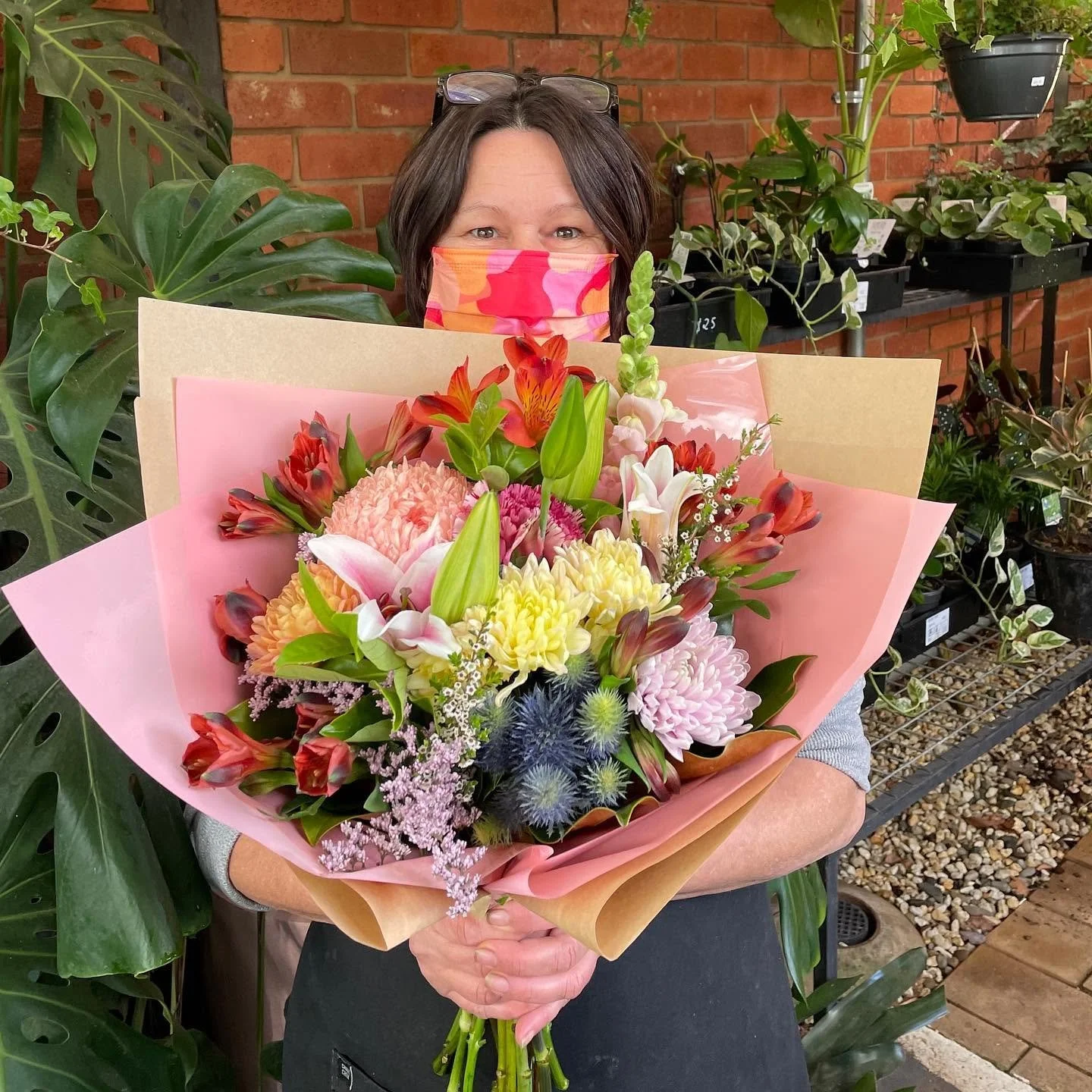
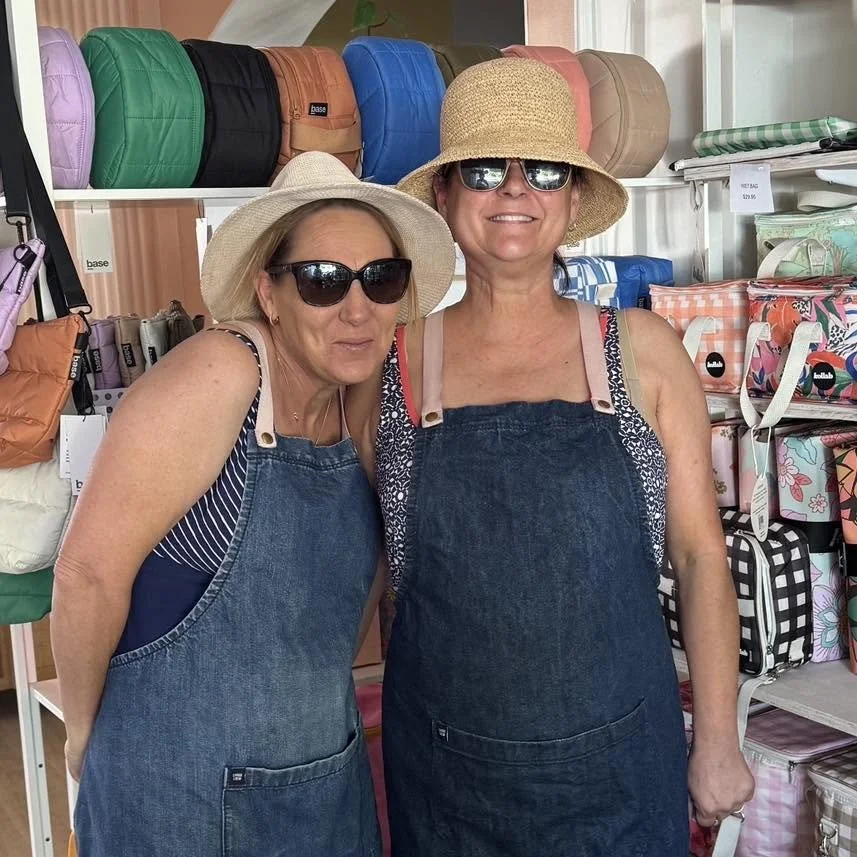
I’m full of admiration for small retailers and have a particular fondness for Erin and Kate at From Little Things Flower Shop who closed their successful small business on their own terms in June 2026 after 14 years in partnership.
We went to secondary school together back in the 80s and reconnected decades later when my family moved back to Swan Hill and I began providing SEO coaching for their Shopify website to help them improve their search rankings on Google.
Sensible transition from shed to shop
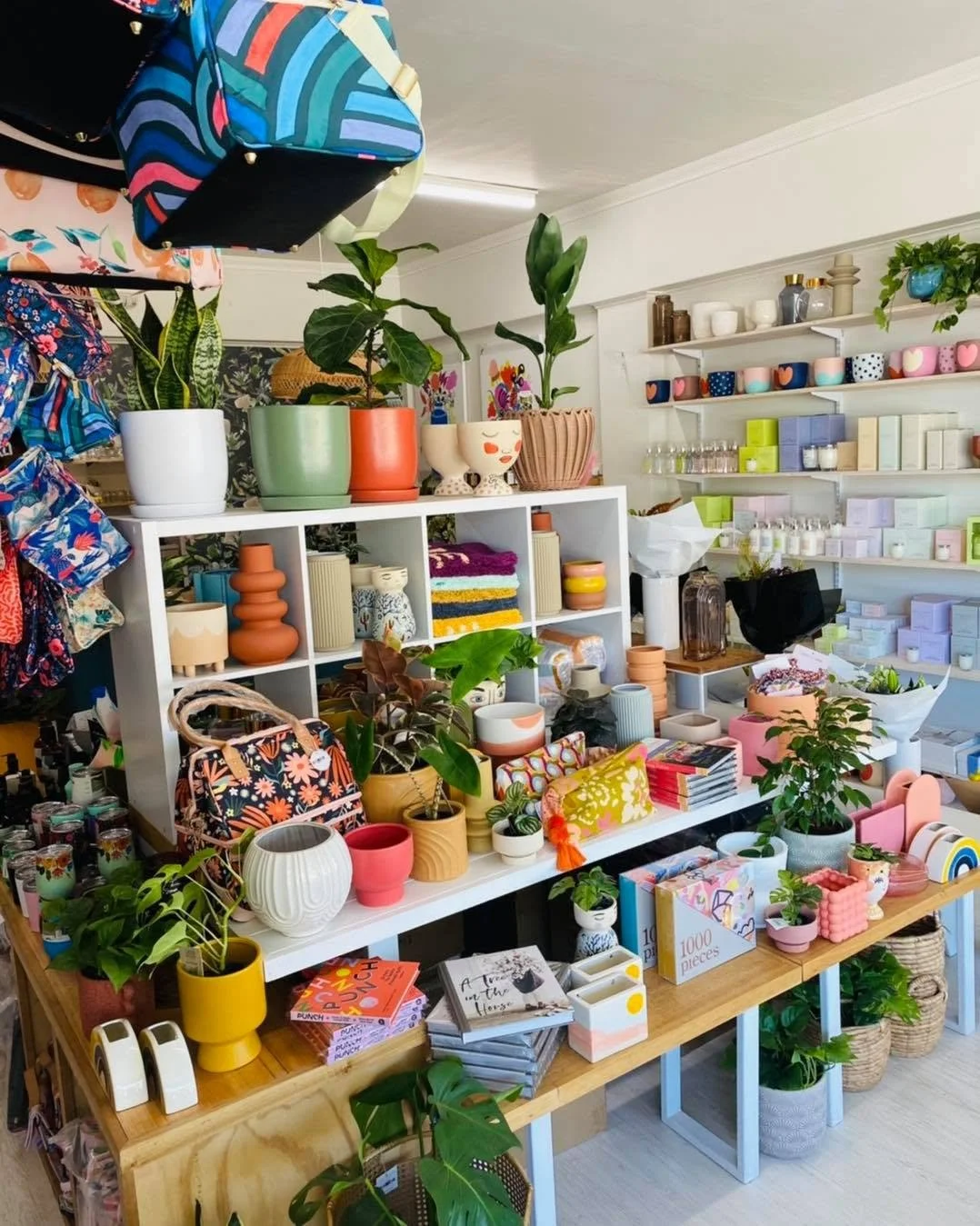
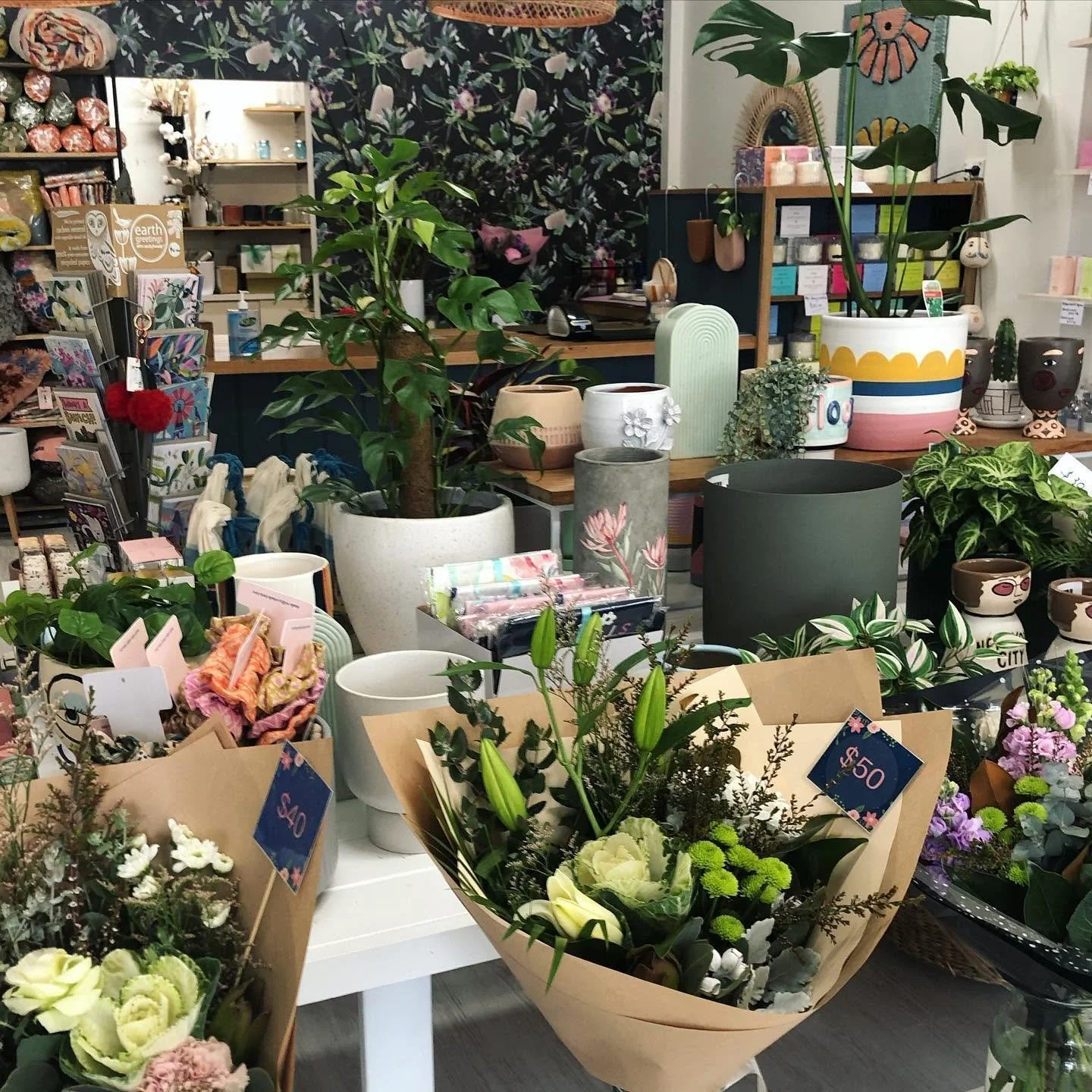
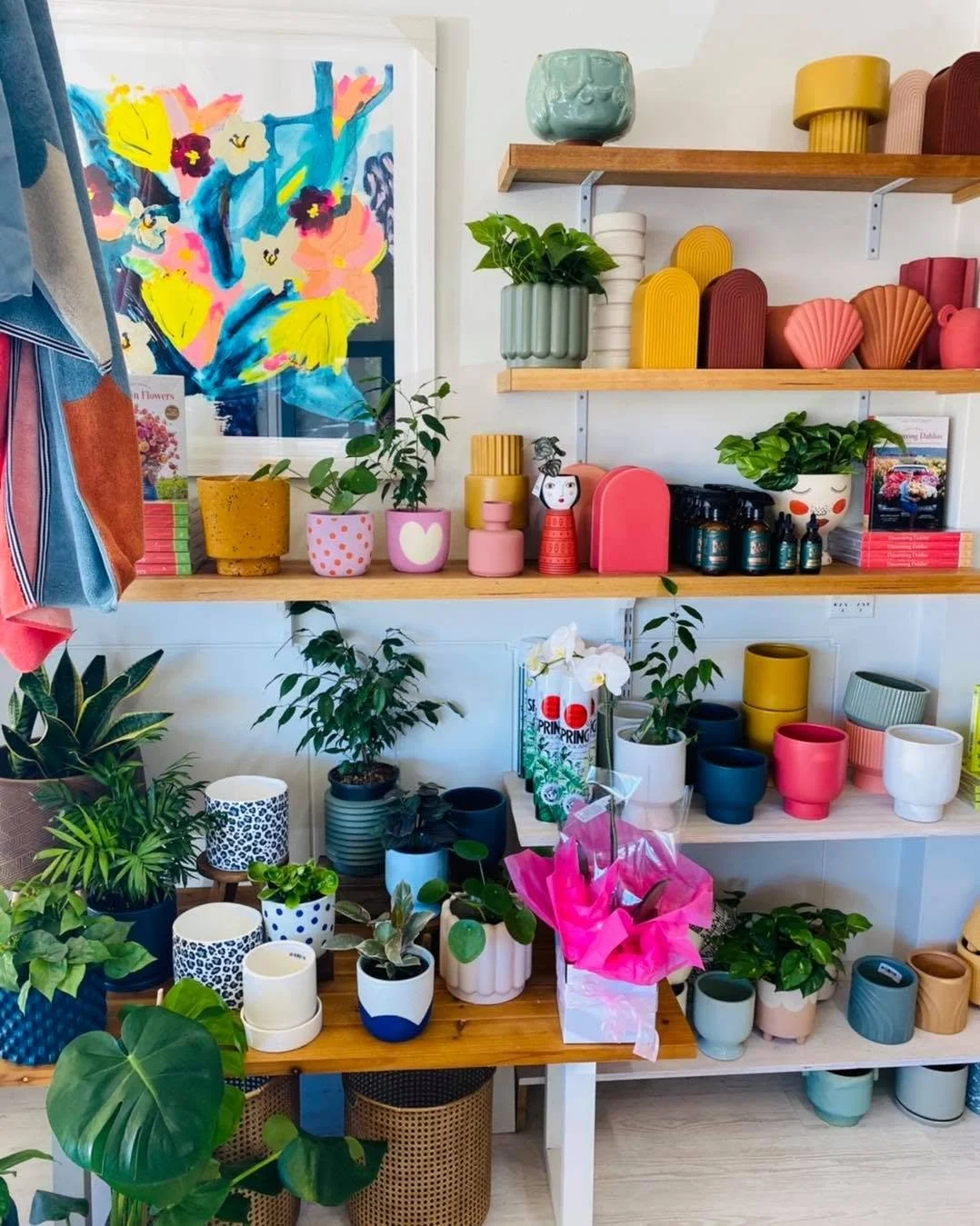
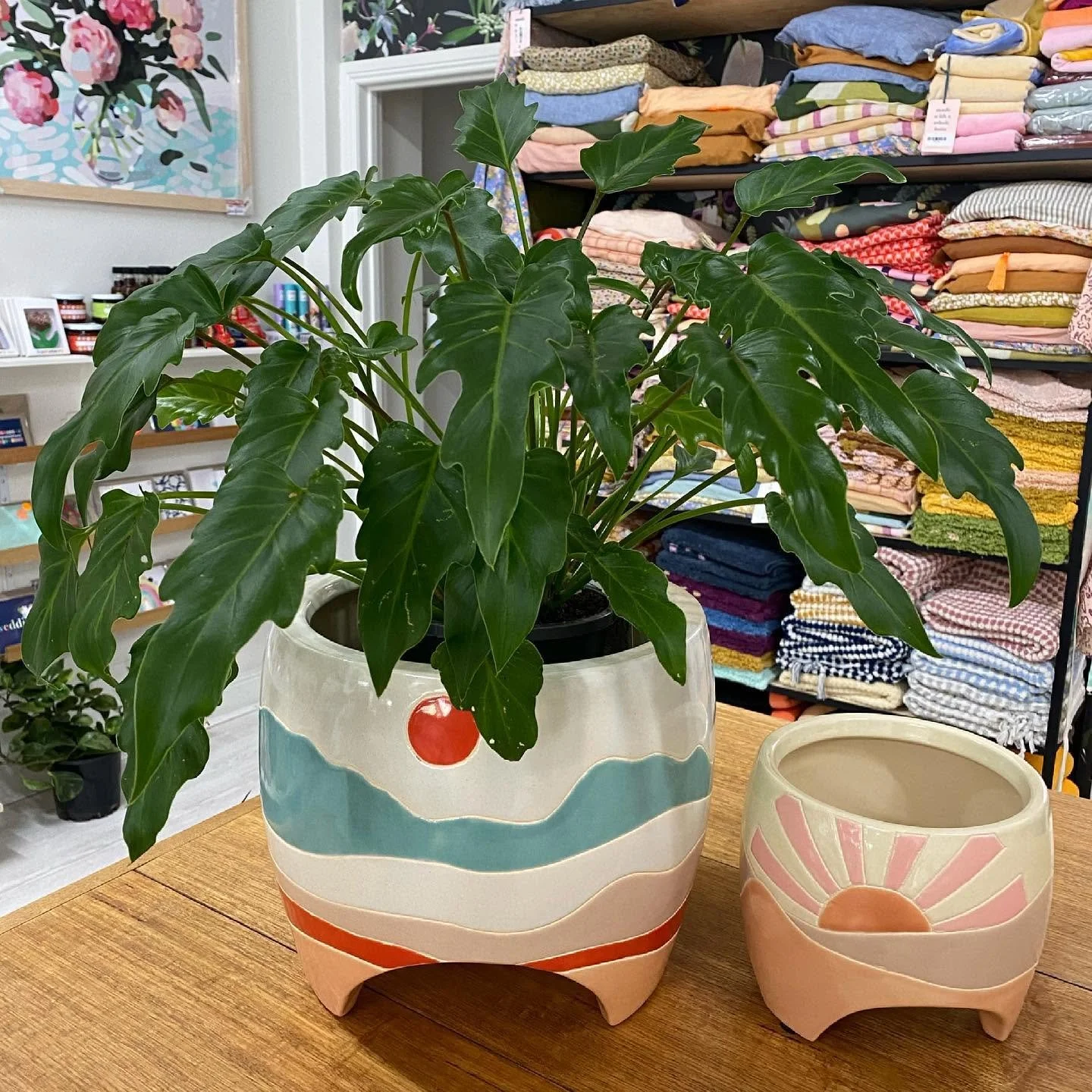
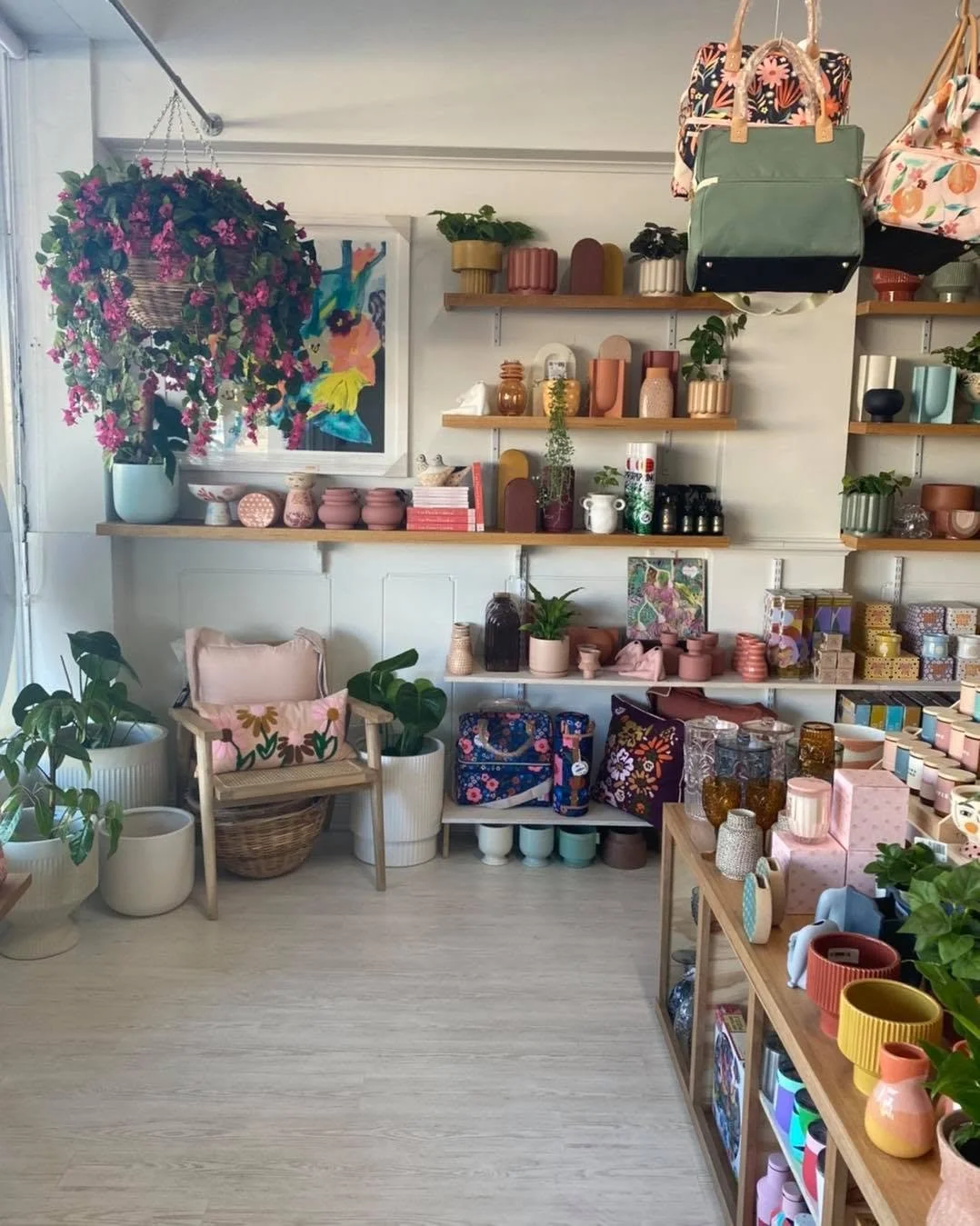
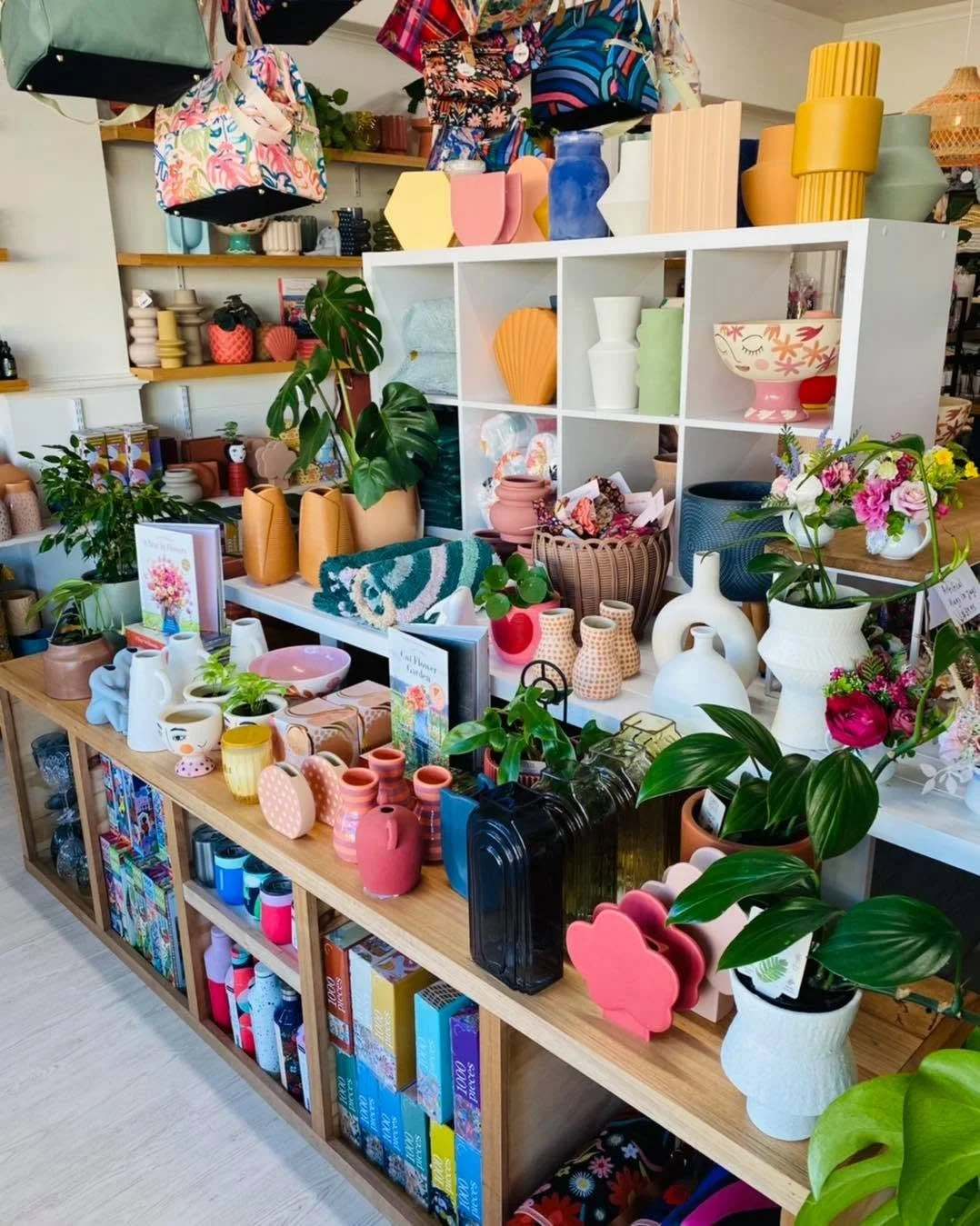
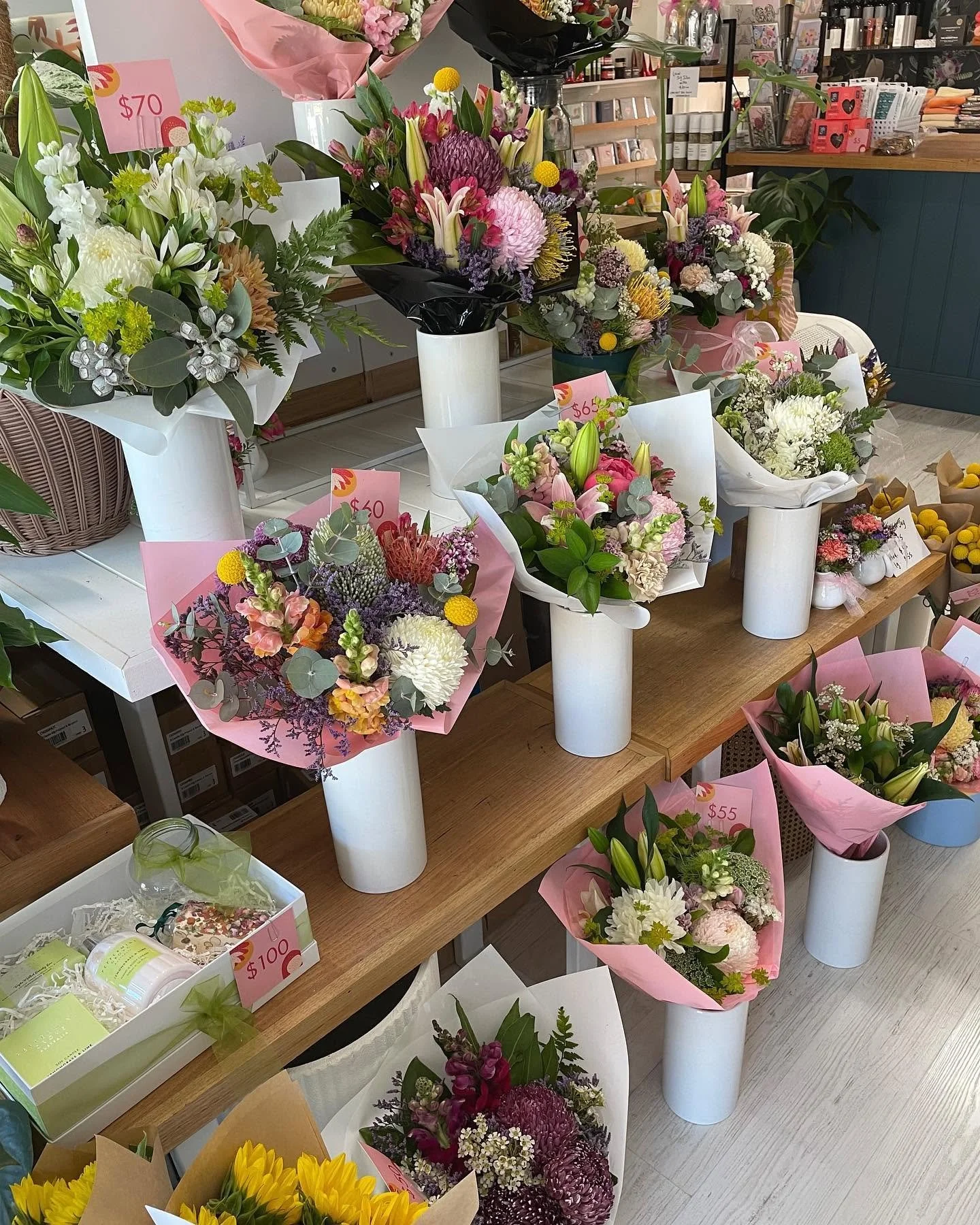
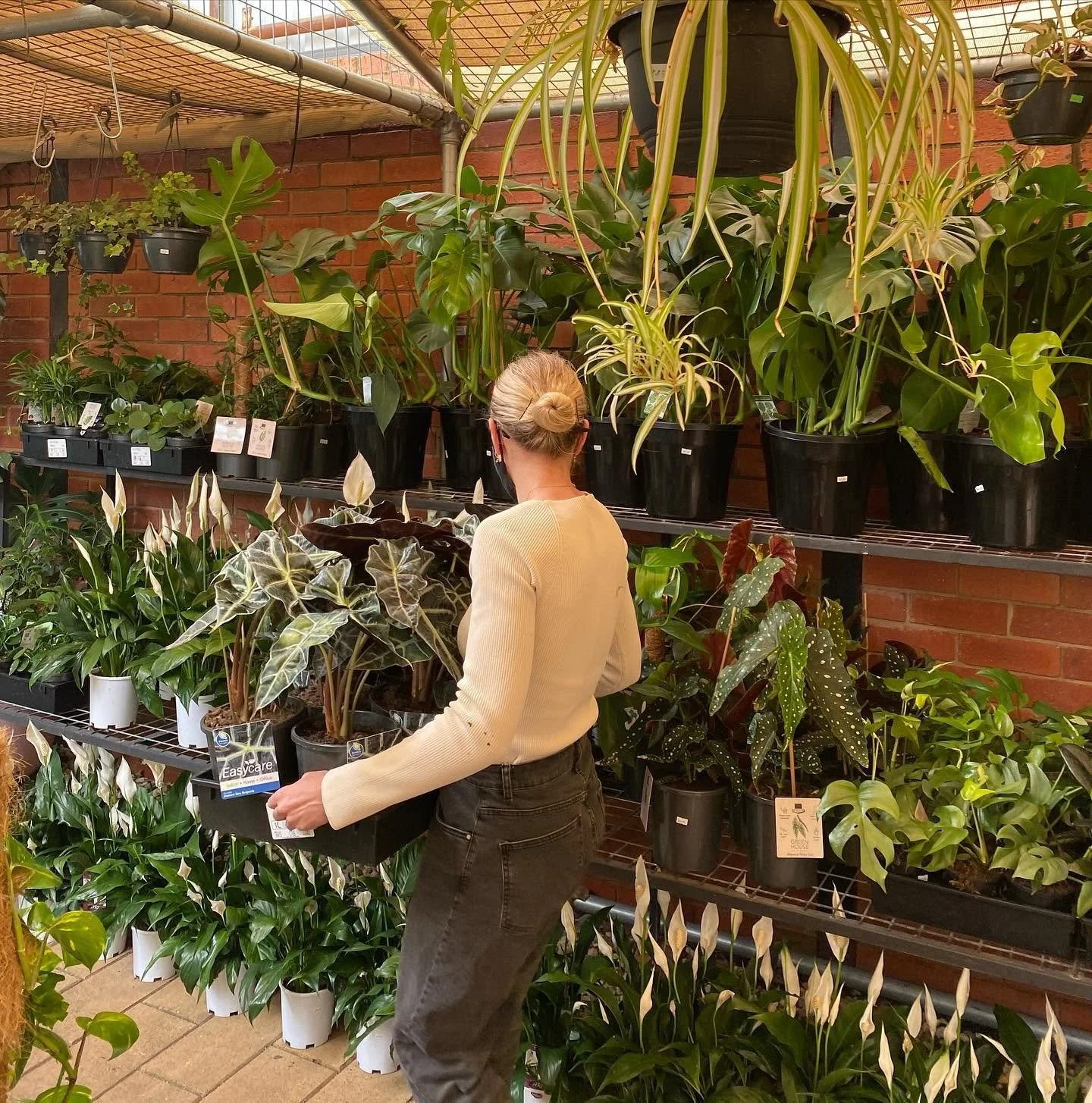
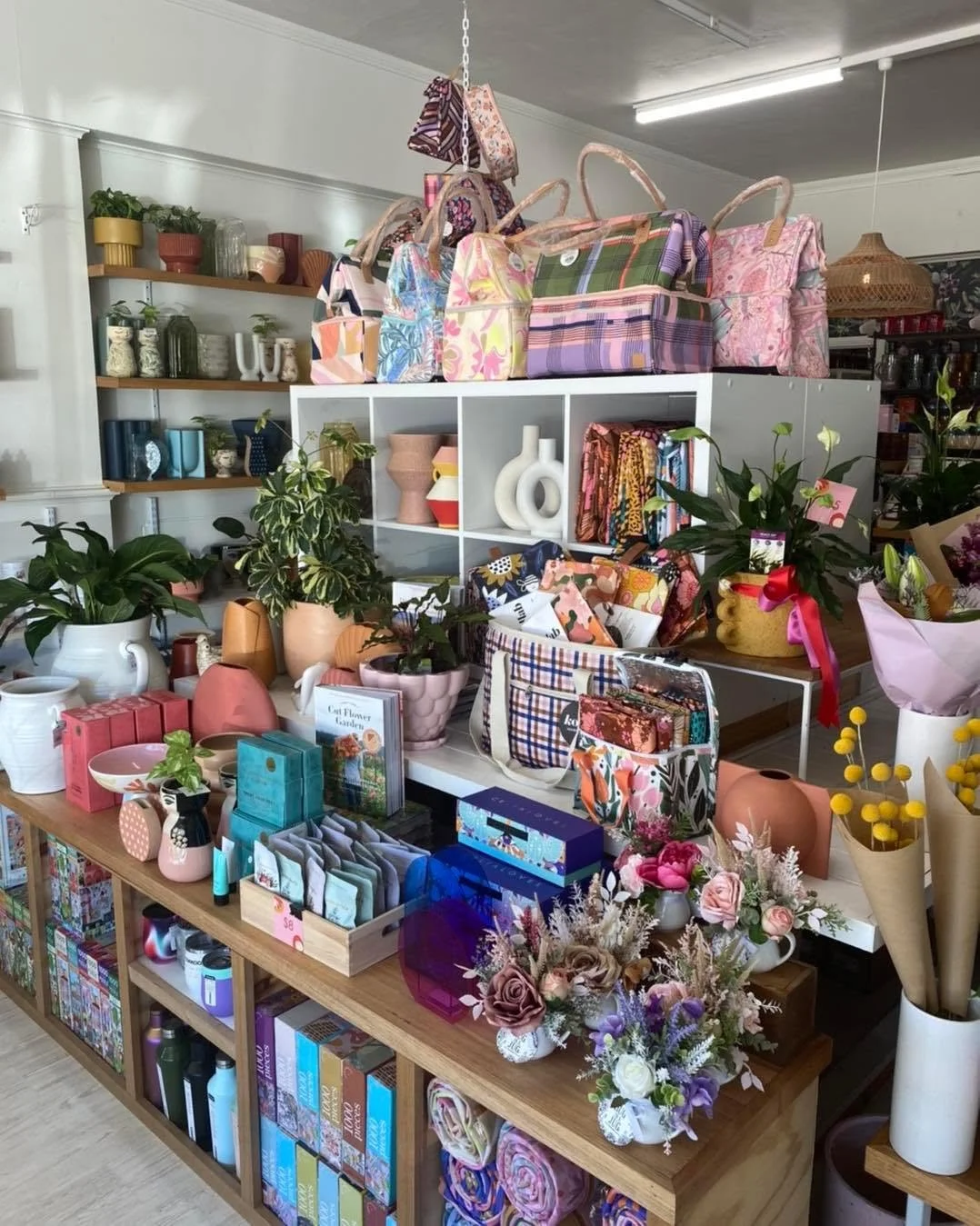
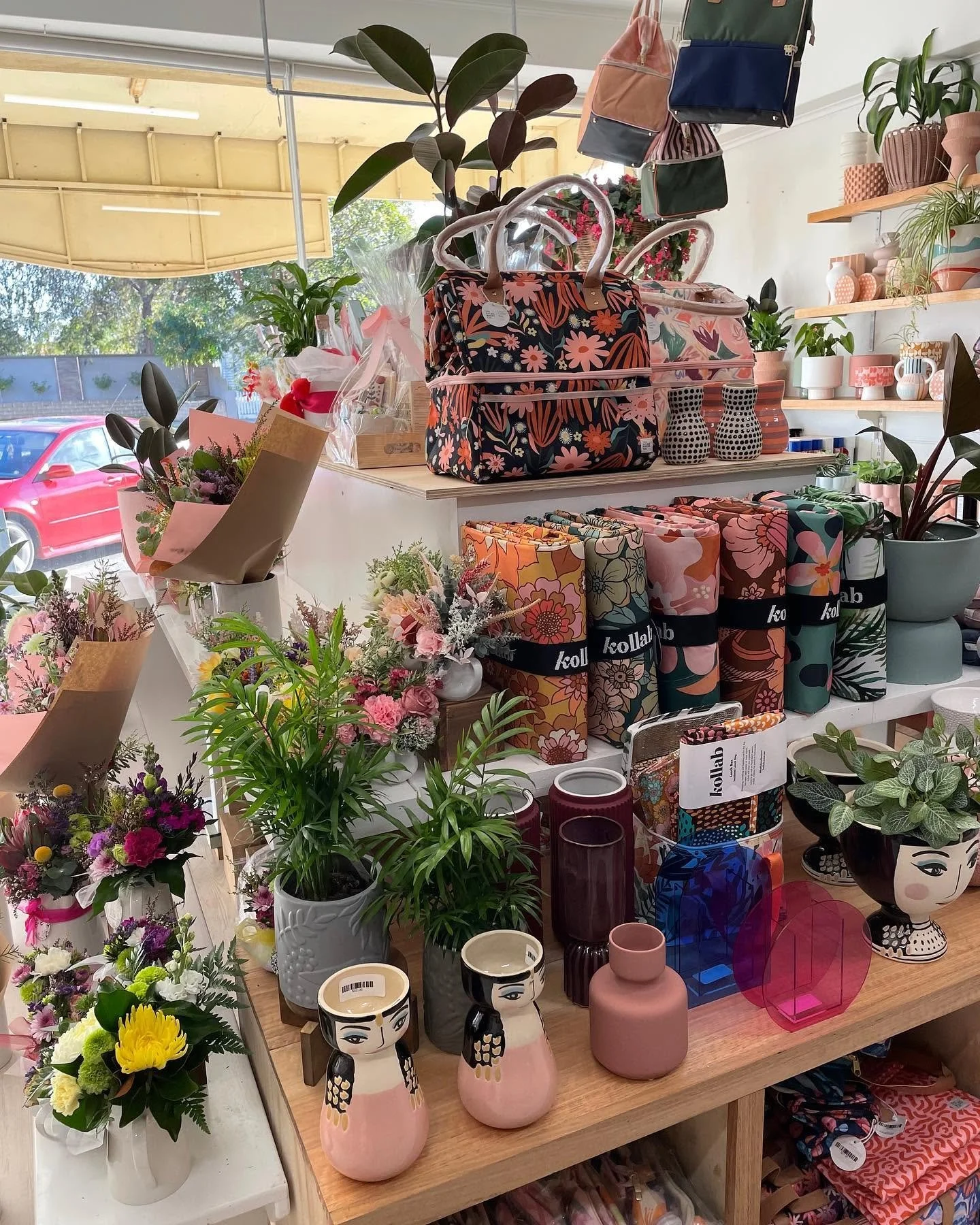
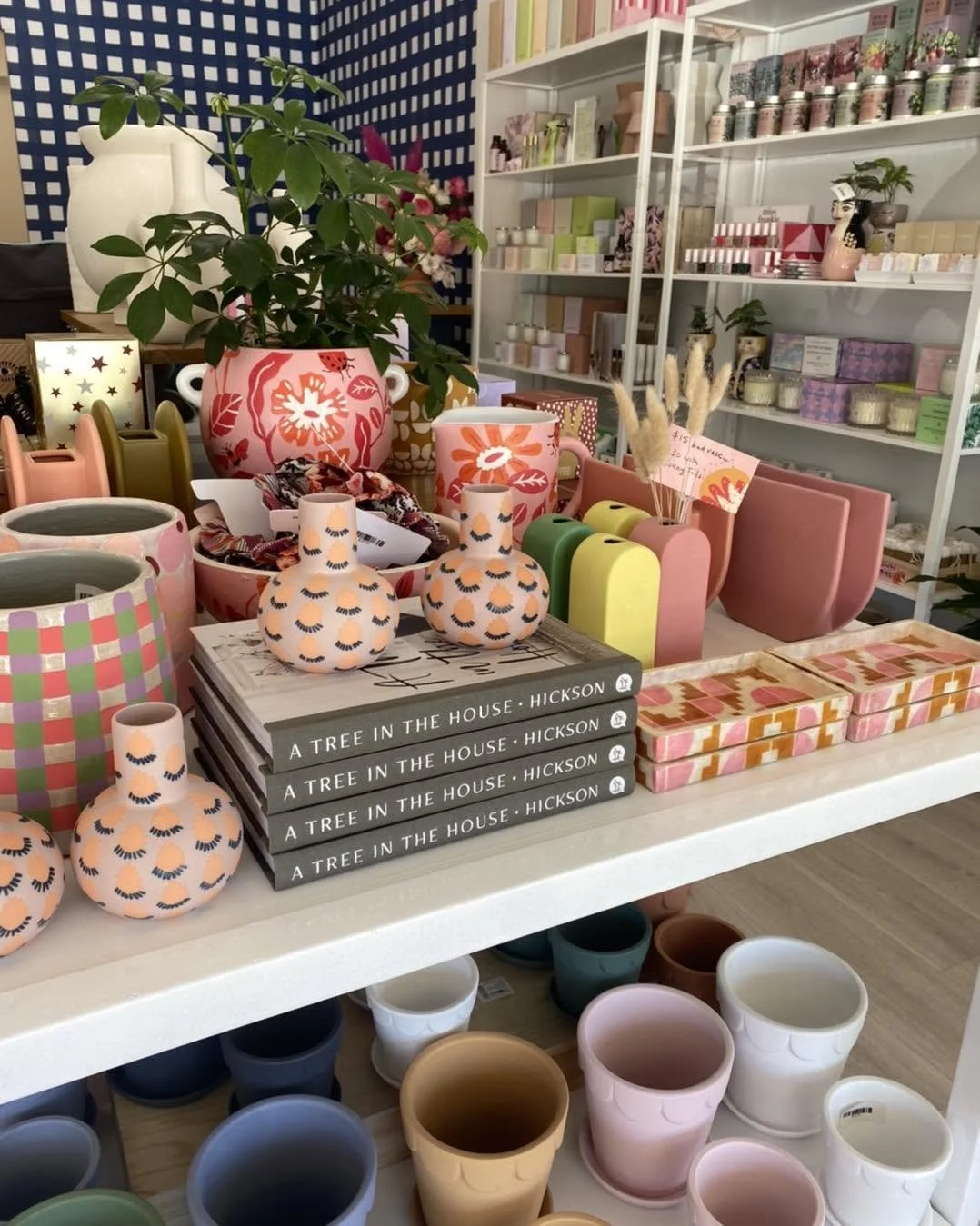
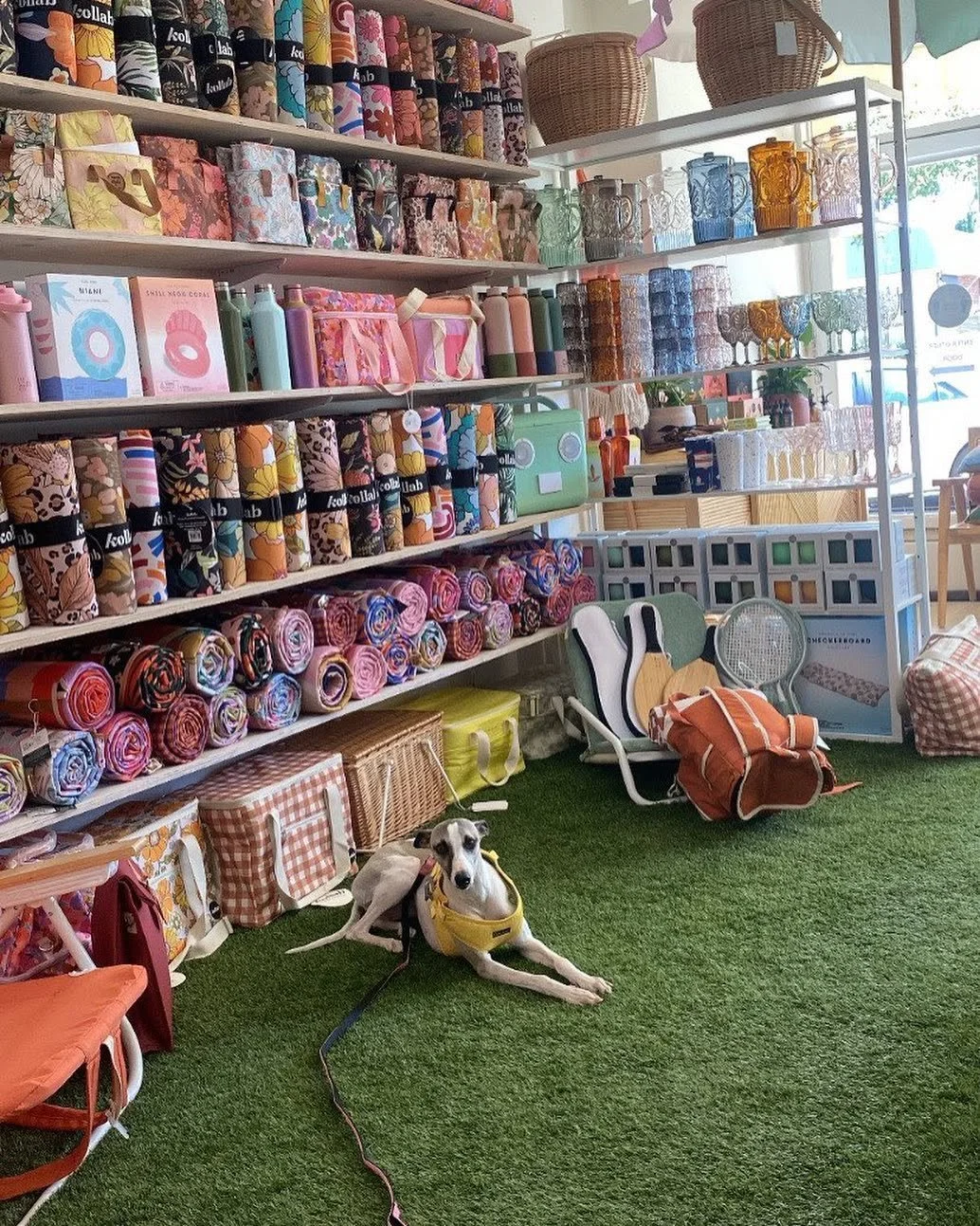
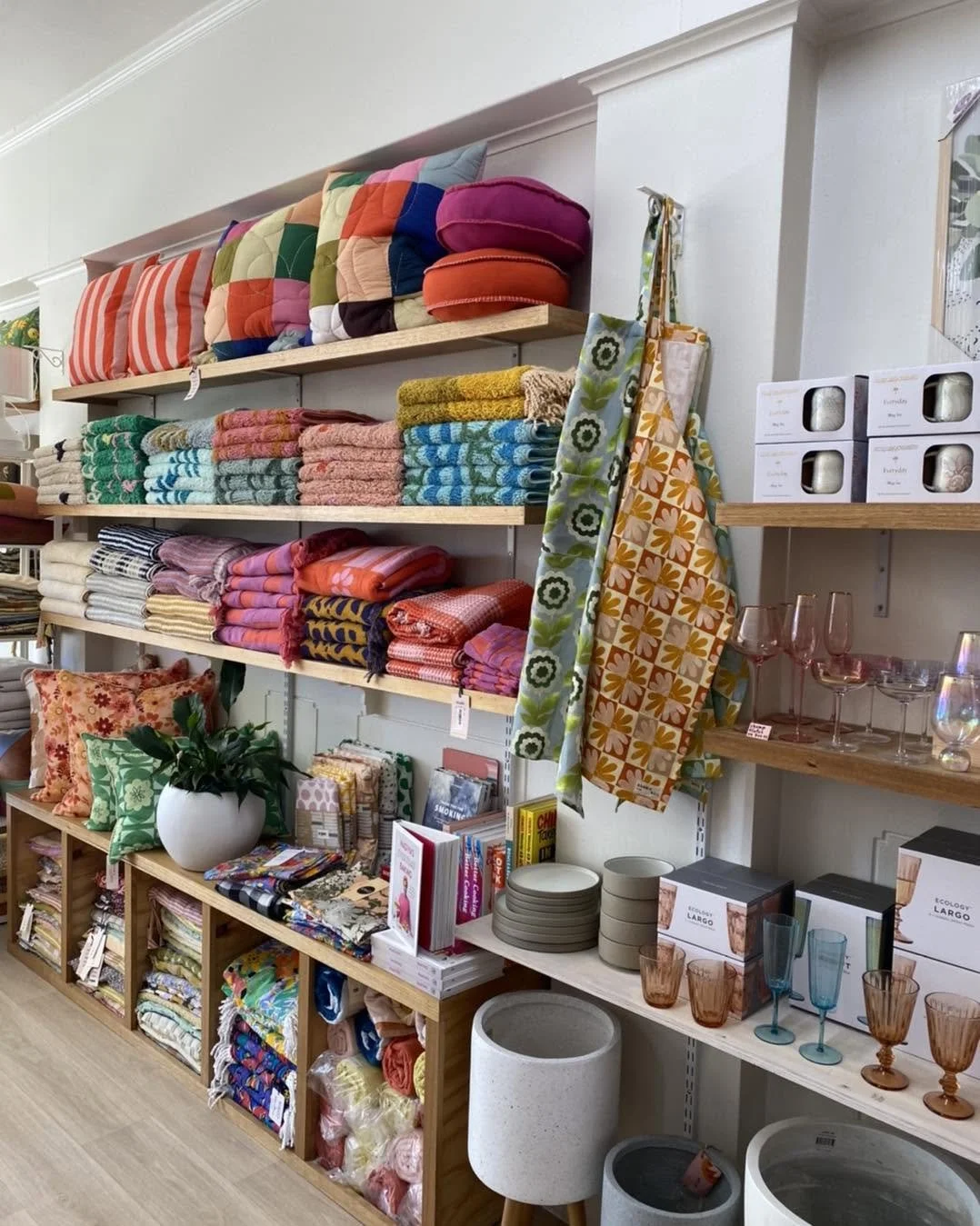
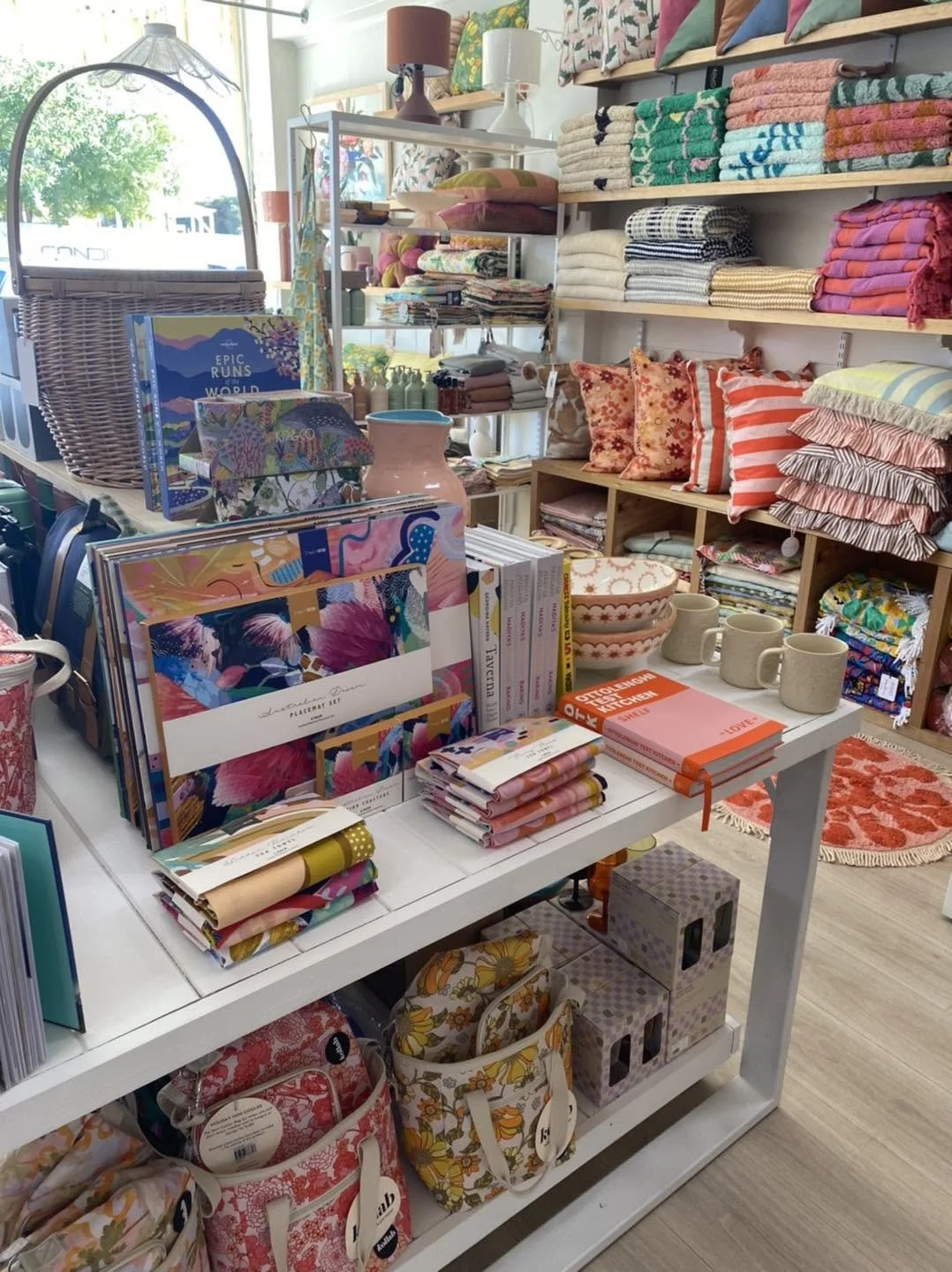
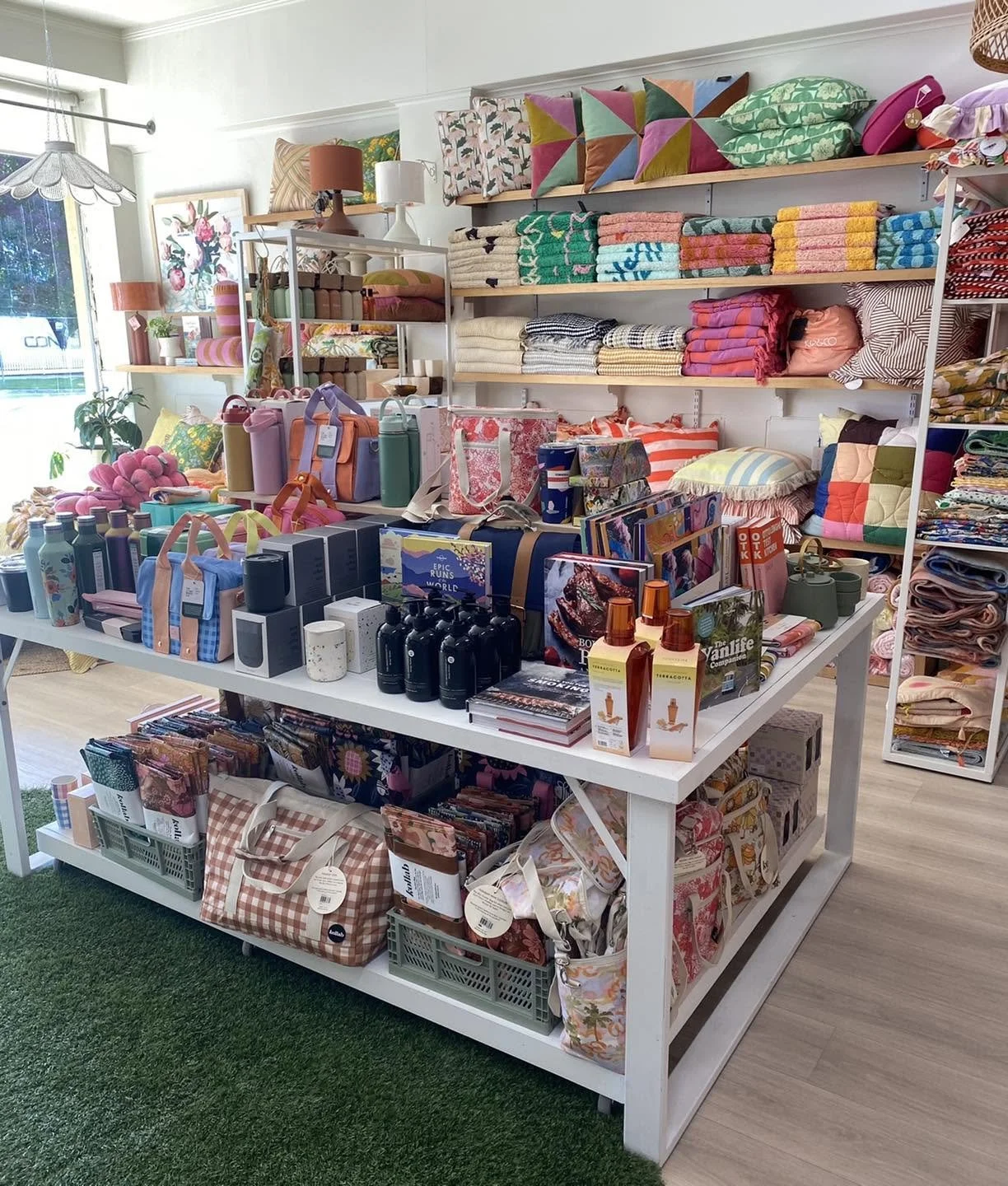
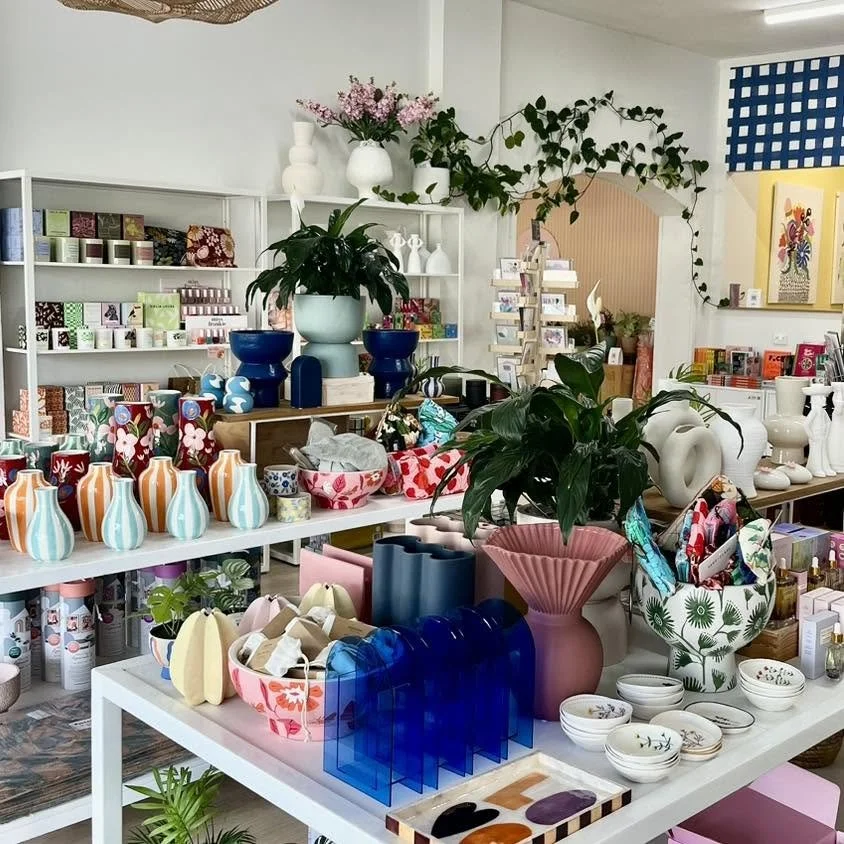
Erin and Kate followed a very sound path: they initially ran their business and shop outlet from a shed at Erin and Christian’s home before taking on a commercial lease and moving into a retail premises only after their business was well and truly established.
I provided them with some pointers for their website and search engine optimisation (SEO) “early days” in 2019 when they were still in the shed and more formally some years later (2022-24) when they moved into the main street, created their own Shopify website and began selling online to customers all around Australia.
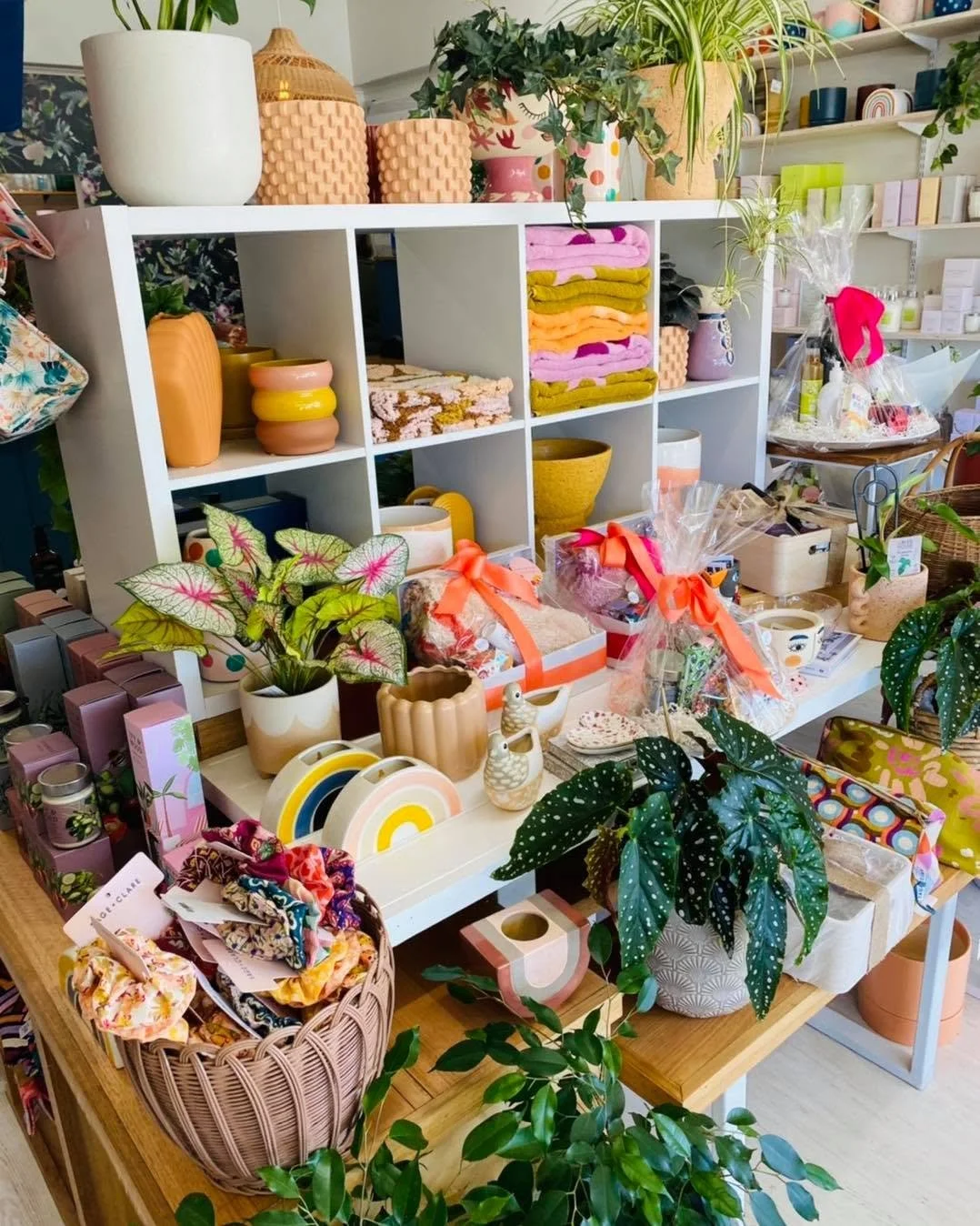
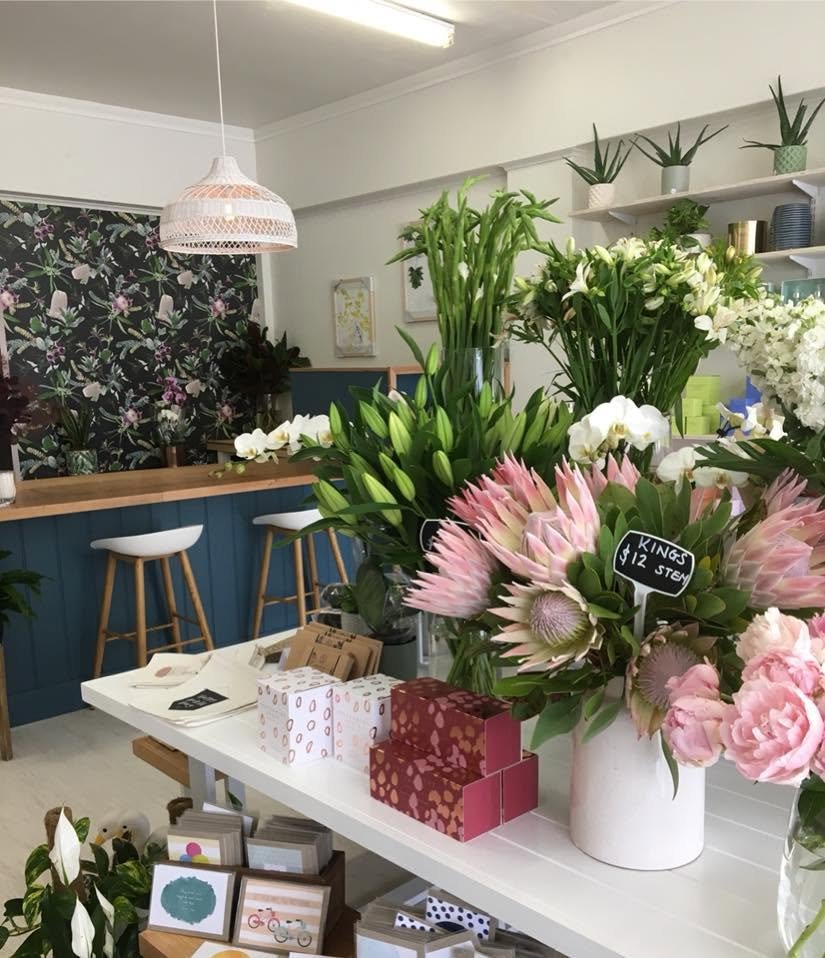
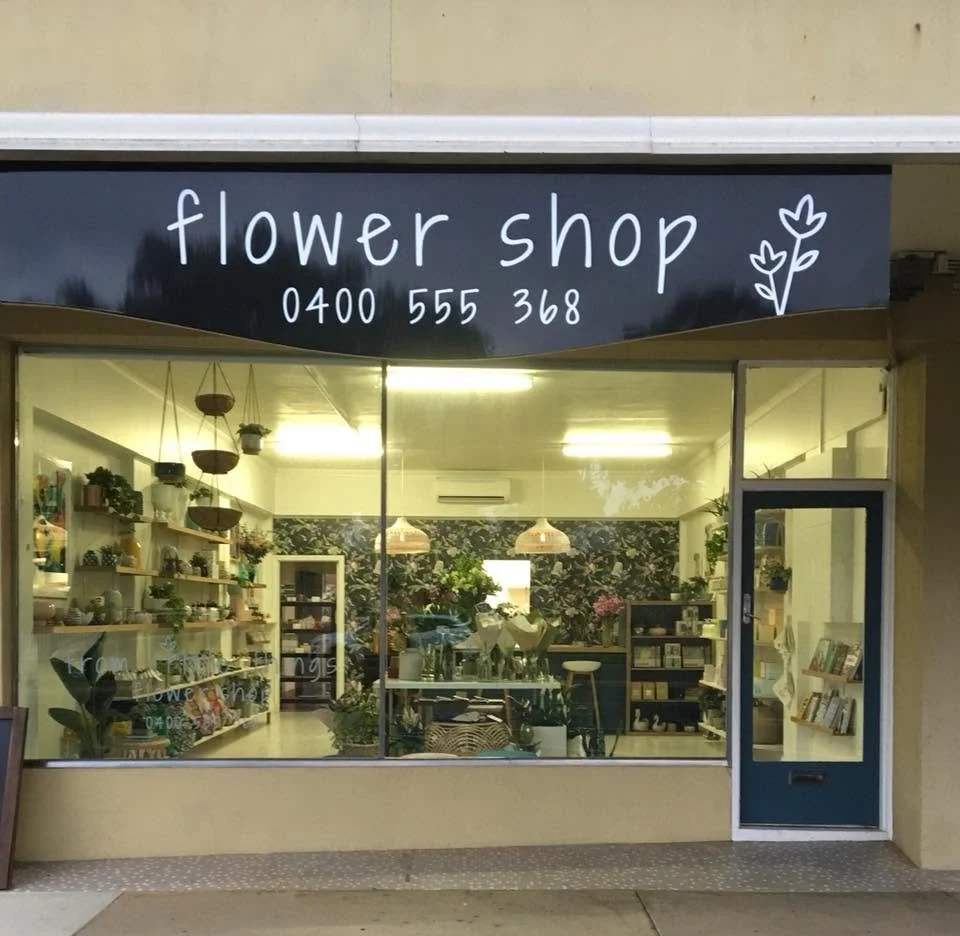

What the SEO strategy looked like
Goal setting
When we reconnected in 2022 Kate had already built a website on the Shopify ecommerce platform (smart decision) but they were yet to get their head around search engine optimisation (SEO) and how to reach and sell to more customers online.
Their initial goals included:
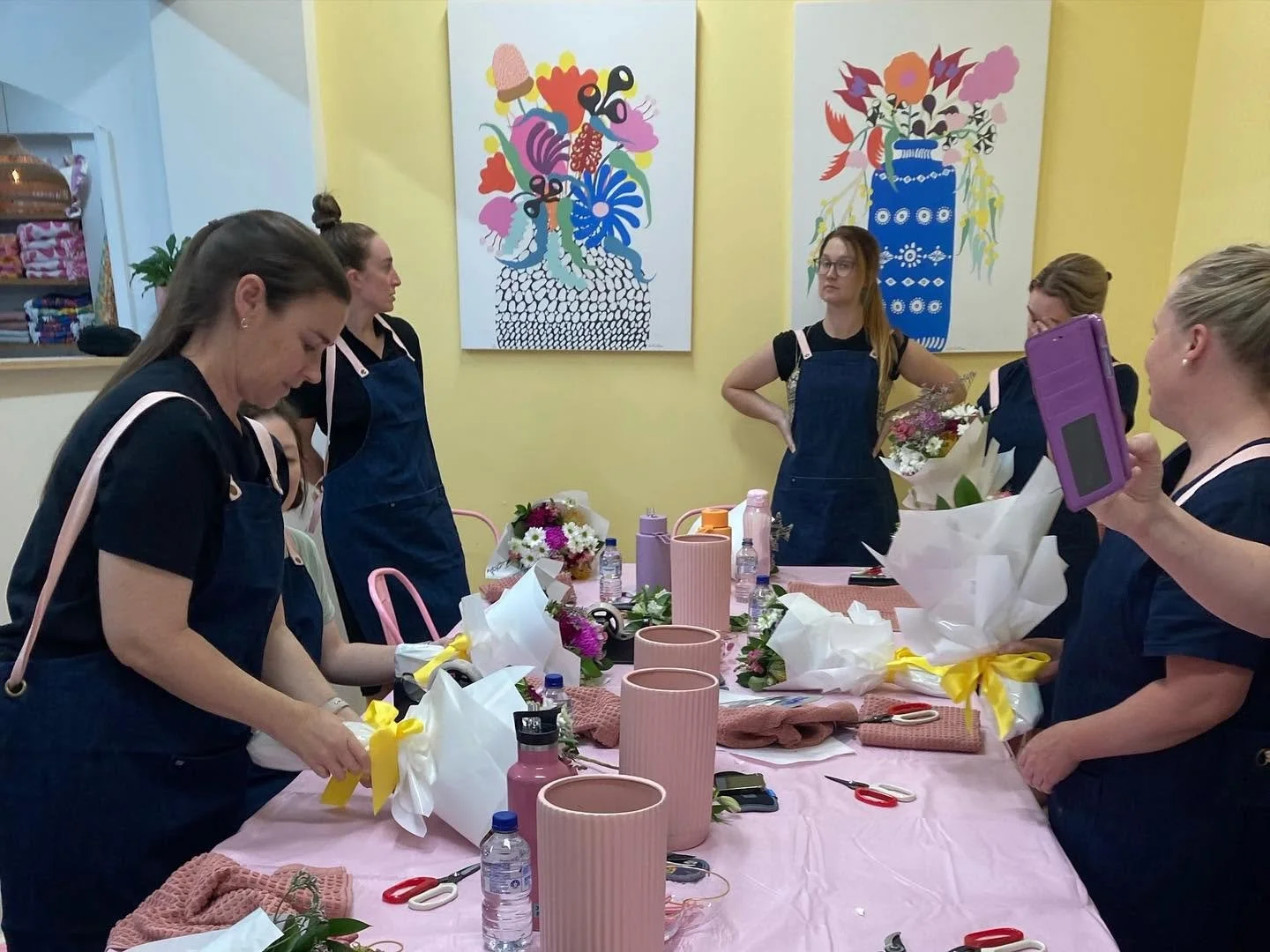
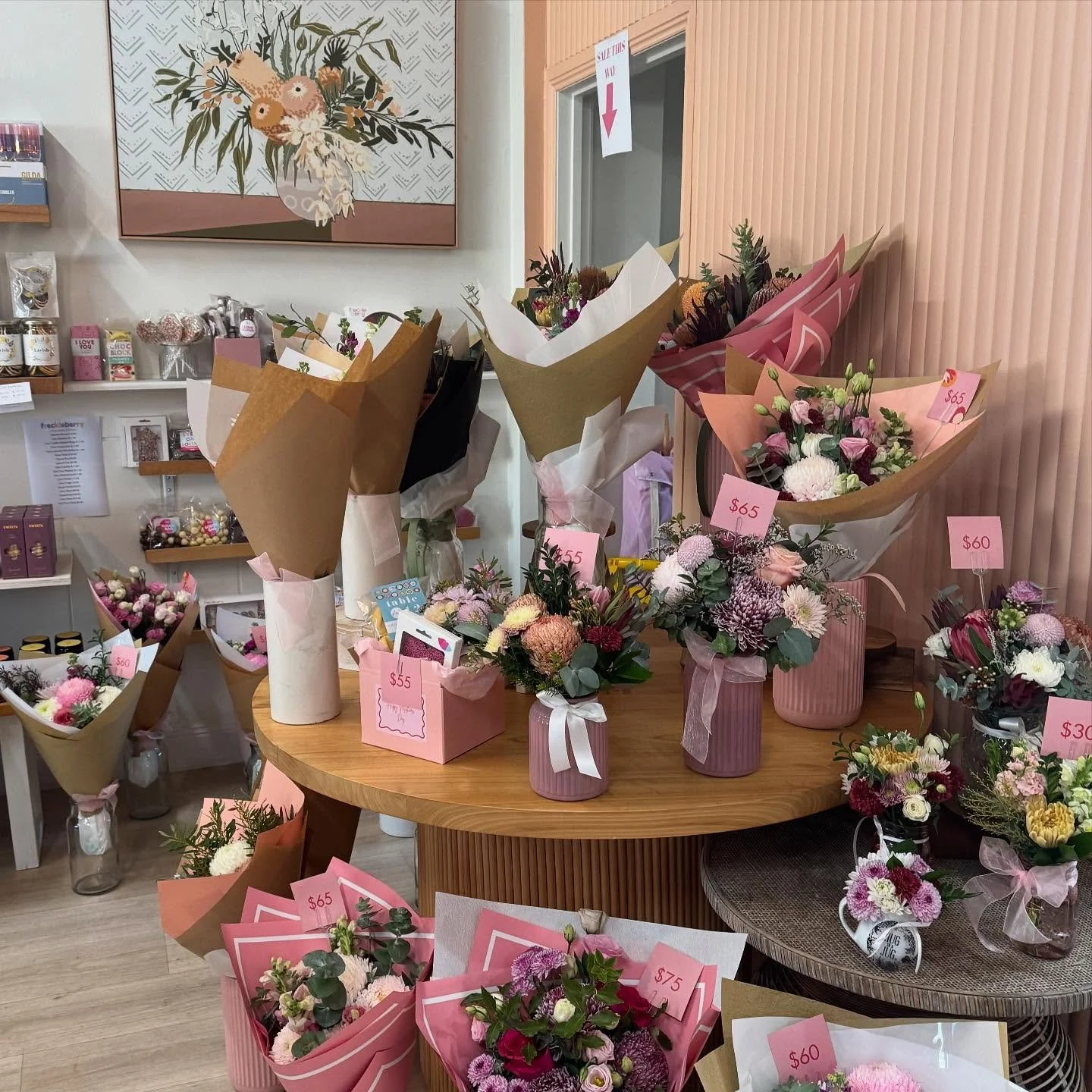
Local goals - increase product and service sales (flowers, flower delivery, homeware and gifts) in the Swan Hill region
Did you know lots of people outside any given location look for “florist + town name” so they can have flowers and gifts delivered to friends and family in that town?
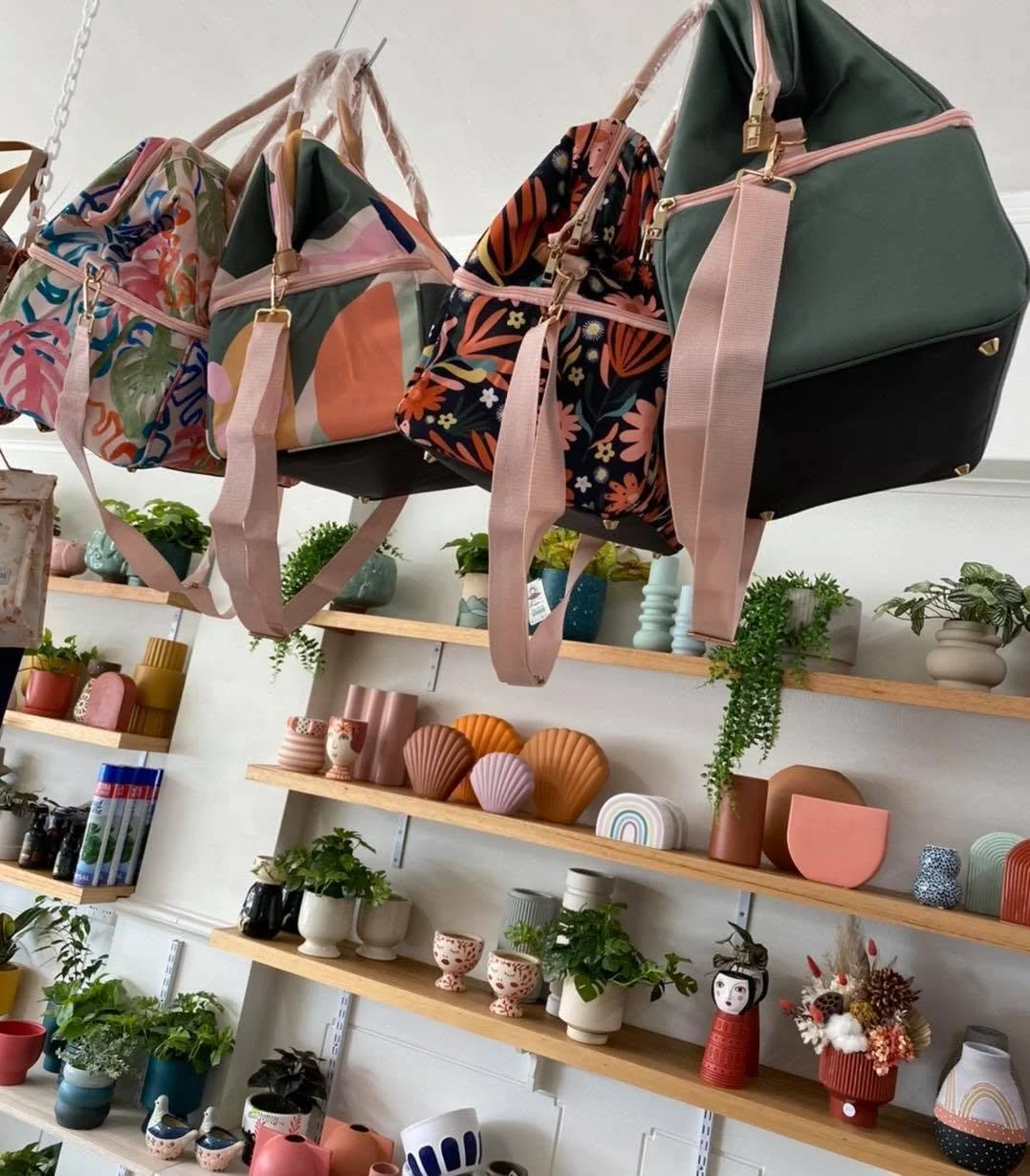
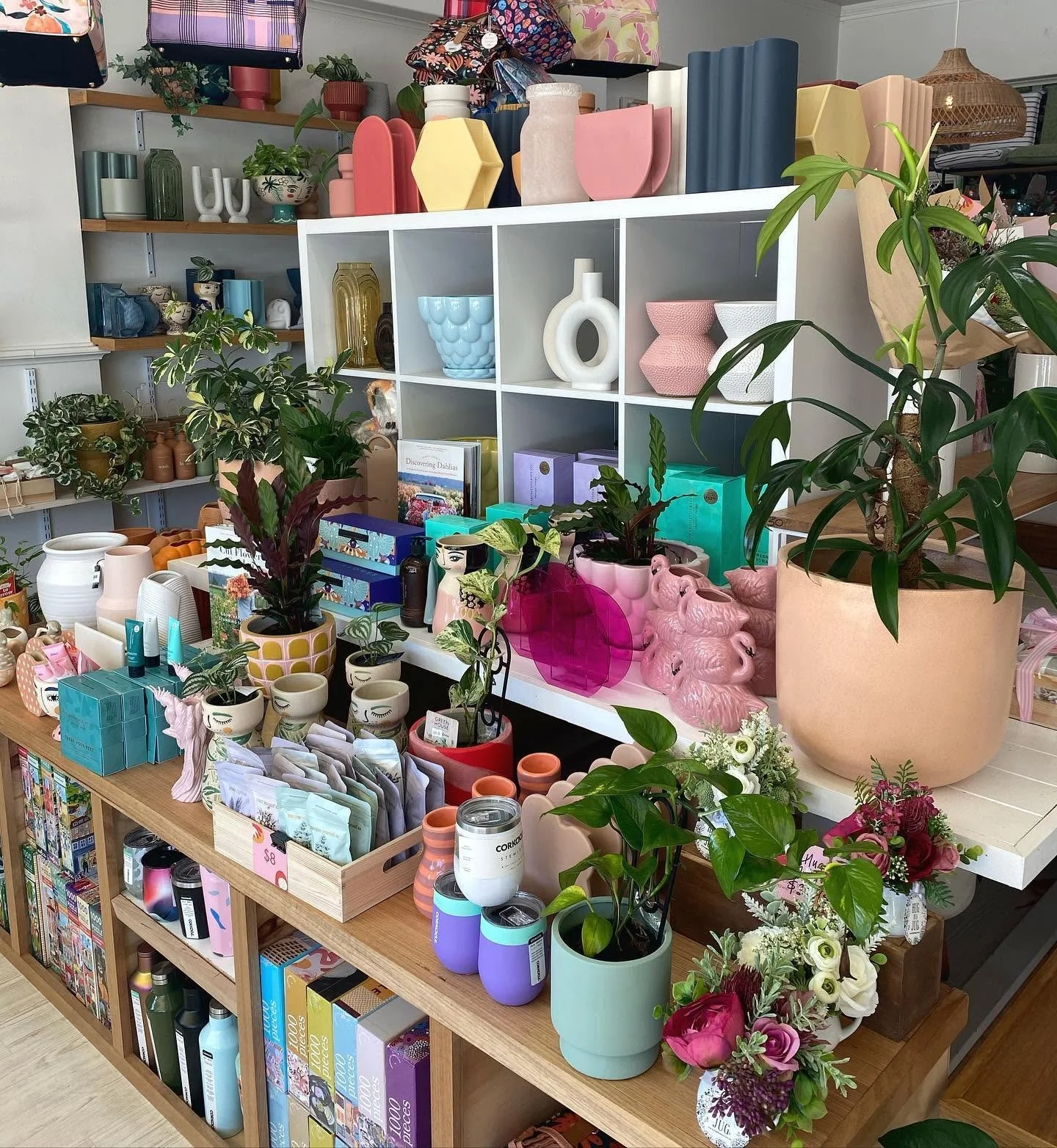
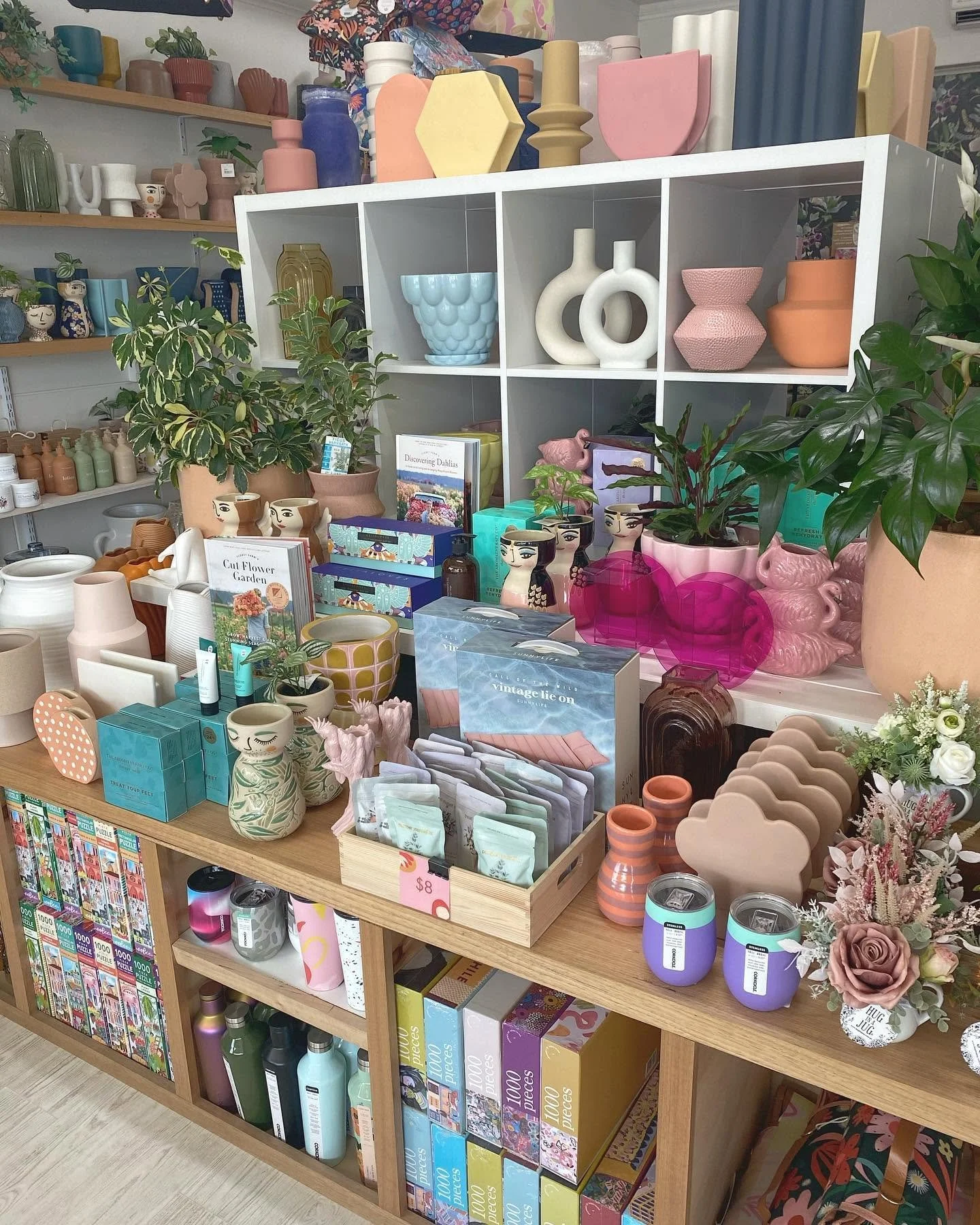
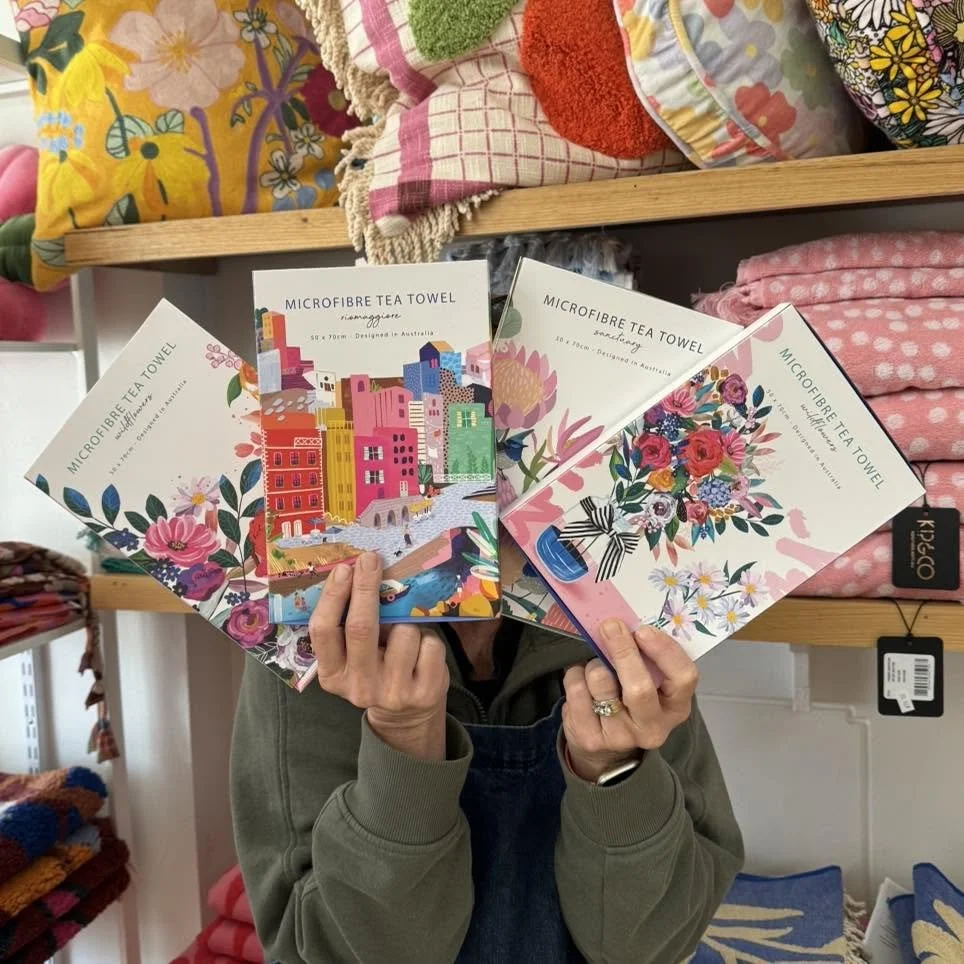
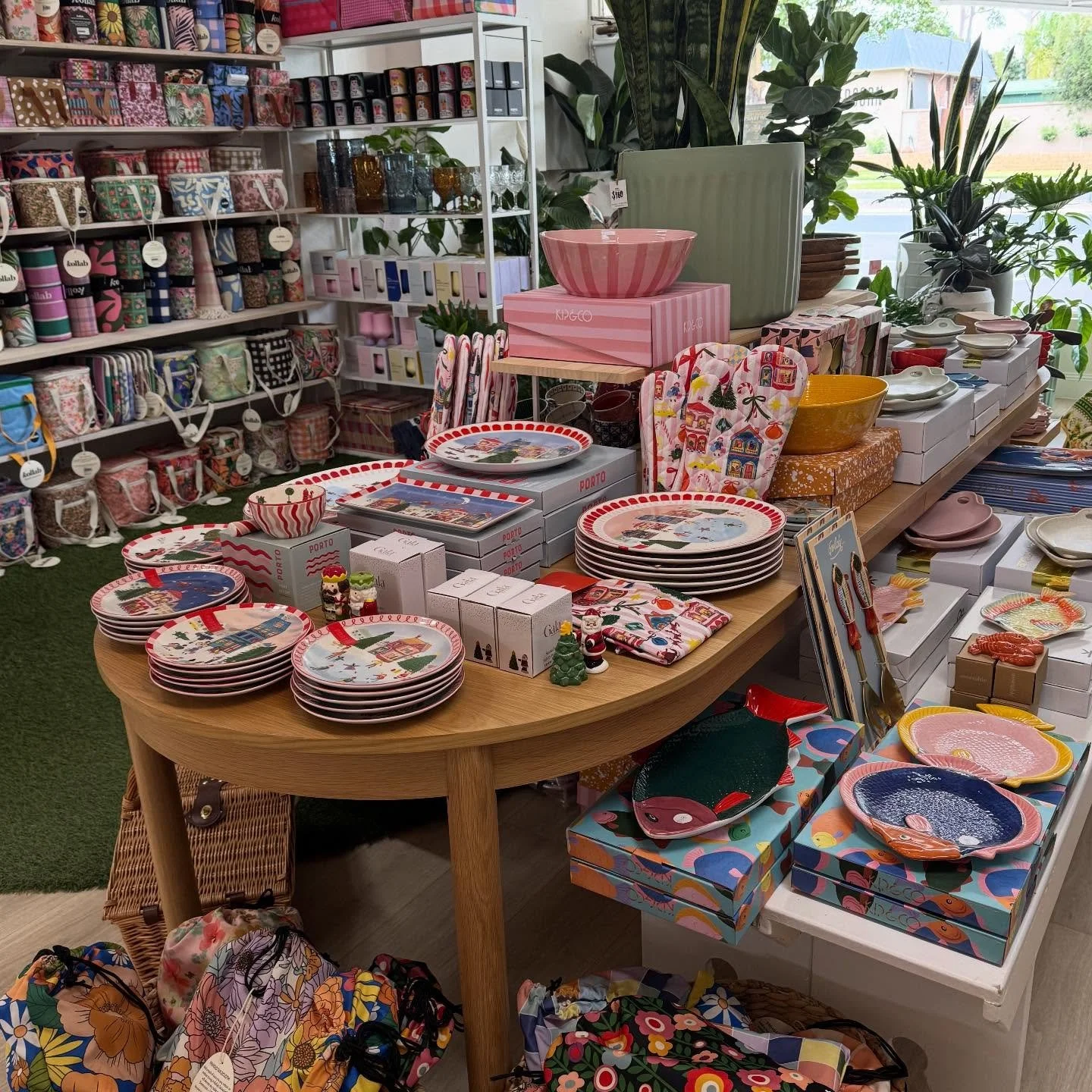
National goals - increase sales of key brands such as Sage x Clare, Kip&Co, kollab, Peppermint Grove, products and services to customers living outside the Swan Hill region.
We started by looking up the real search volumes for the brands From Little Things wanted to rank for to understand monthly search volumes, keyword difficulty and FLT’s current ranking per brand.
Phase one - setup
We began with a website audit and SEO recommendations in October 2022 which led to the following actions:
Identify and prioritise key strategic “keyword phrases” (words Kate and Erin believe they wanted to rank highly for on Google) as well as using tools that provide real data from Google to discover additional, high volume keywords to include on website. An example of a keyword phrase is “flower shop Swan Hill”
Begin tracking Google rank performance for fromlittlethings.shop for the defined keyword phrases using the popular Moz SEO analytics tool (see image below) and create regular reporting with insights.
Setup Google Analytics on website and create a Google Search Console account.
Google Analytics provides richer website visitor data than Shopify but also creates a connection to Google.
Google Search Console provides richer website error/issue information and is very complementary to Google Analytics. Again, another concrete link between the website and Google was established.
Submit sitemap XML file to Google Search Console. The sitemap is a blueprint of your website - a list of pages on a website within a domain - that helps search engines find, crawl and index your website's content.
Analysed website to identify areas that are not at all optimised for Google and fix issues found by the Moz SEO tool.
We tracked all key brands and strategically important products to monitor weekly changes to rankings, paying attention to the period after adding or modifying matching pages.
Phase two - actions
Existing pages
Concretely, we started working together on pages that already existed but could be improved:
Improving page titles to include strategic keywords (keeping below the 60 character best practice)
Writing compelling meta descriptions (160 characters max).
Note - Shopify automatically uses descriptions from top of product pages but they are almost always too long and not always suitable for Google search results.
Fixing pages with missing meta descriptions and product descriptions
Shortening page titles - Remove business name automatically added to end of page title in Shopify
Enhancing the home page page title (changed to “From Little Things | Florist Swan Hill” which helped local rankings)
Enhancing the home page meta description
Adding an introduction to product category and product pages. Eg. “We have curated a range of Bed & Bath products including great products from Peppermint Grove, Maisie, Uxbridge and more…” to add more of a human, personalised approach to pages but to also help Google ranking for key brands and products.
New pages
While improving existing pages was important we also needed a defined workflow to ensure all new content and product pages adhered to SEO best practice without anything being missed. I provided Kate with a 10 point checklist to follow when adding new products (pictured).
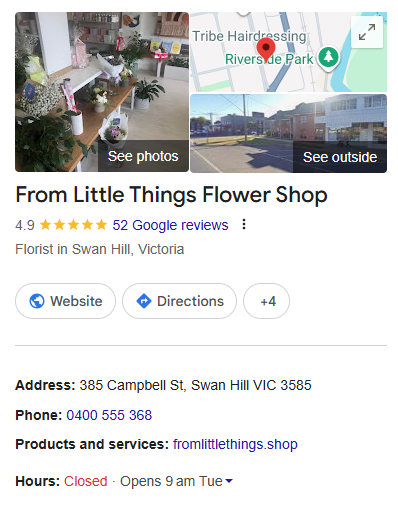
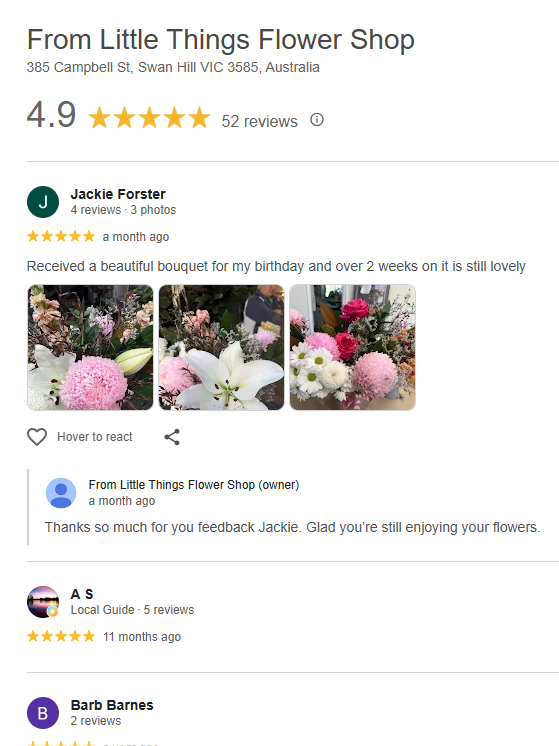
Other tactics included asking customers to leave positive Google reviews as these are excellent trust signals for Google and lead to improved search rankings.
Stage three - measurement
Success with Google rankings isn’t instant and it’s not a perfect linear line; sometimes it’s a case of two steps forward and one back and at other times it’s the reverse.
Local rankings jumped
One goal where we did see success quickly was local rankings: when we first sat down FLT was ranking just inside the top 10 for local search, behind local competitors as well as generic, national platforms that could deliver within Swan Hill.
We got to work ensuring strategically important Swan Hill-oriented keyword phrases were included in some (but not all) page titles, meta descriptions and content throughout the website.
Within a relatively short time (one to two months from memory) From Little Things jumped to positions one and two for most local keyword phrases (see results from Moz pictured).
Organic traffic from Google doubled over 14 months
So what happens when you implement recommended changes after an SEO audit?
Your ranking improves for the keyword phrases you’re targeting;
With your business appearing closer to the top of search results and more visible, you attract more clicks from search users;
Every click sends a positive signal to Google’s algorithm telling it that the user found the ranked result (ie. your link) a good match to their intent.
That signal maintains or improves your ranking for that keyword phrase and hopefully it triggers a virtuous cycle (click leads to higher rank which leads to more visibility which leads to more clicks which leads to higher rankings and so on).
That is an extremely simplified description of a very complex process; a process that relies on hundreds of different signals to shape rankings (ie. no one tactic is a silver bullet). If a customer clicks on a Google result and visits your website but then leaves very quickly without taking an action, spending much time on your web page or visiting any additional pages sends the opposite signal to the ranking algorithm!
You can see from the search impact report in Google’s Search Console that clicks from organic search doubled from 450 a month in September 2022 to over 900 clicks by Christmas 2023!
What if they’re clicking but not buying?
While this is positive progress it all counts for nothing if customers don’t buy and contribute to your bottom line!
Reasons for this could include: products and/or shipping more expensive than competitors, the page lacked detailed product information the customer needed to complete a purchase, images might have been poor quality or limited to only one photo, the page may have ben slow to load or not easy to navigate on a mobile phone (mobile usually makes up a huge percentage of website visitors) or the checkout process may have been confusing or not working!
As an external consultant I can only influence so much. Effective SEO increases traffic to your website and brings more customers inside your business but the user experience on your website and product pages - particularly price, shipping costs and returns policy - will determine whether the customer shares their credit card details with you!
The lesson: traffic to your website is only half the job. There are so many strategies and tactics (and optimisation) you can do to convert visitors into customers.
Related pages
Do you want to learn the steps you can take to improve your website’s visibility on Google and prefer to understand how to do it with your own hands instead of outsource it to an agency? If so you may want to engage me as your personal SEO coach
If you’re a business and need hep navigating the confusing path to improve your visibility in Google so new customers can find you you may be interested in my SEO agency services for small business
If you’re a small business in South West Victoria (where I live now) you may be interested in my SEO Warrnambool services
If you’re a small business in North West Victoria (where I come from) you may be interested in my SEO Swan Hill & Mildura services
Need a website for your small business? Learn more about our 1:1 website design coaching to guide you to build a website with your own hands!
Return to Regional Rising homepage.
